Lavindir: A Delicate Script for Branding Magic
There’s a moment in every branding project where you open a blank brand board and feel the weight of possibility. That’s when I first tested Lavindir on a logo concept for a boutique identity project. The font arrived like a whisper—soft, elegant, and full of character. It didn’t shout; it spoke with a quiet confidence that felt just right for the brand’s vibe.
A Font That Feels Like a Handwritten Note
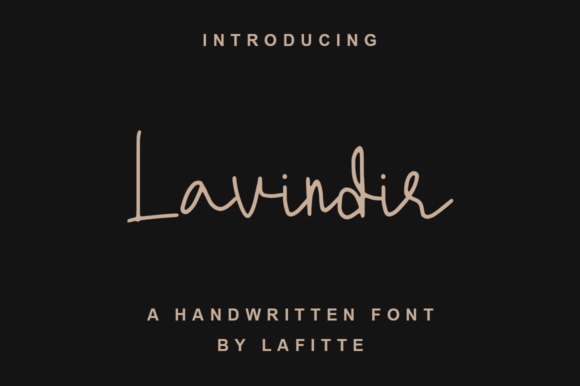
Lavindir is a modern and dainty handwritten font with a natural flow that feels almost alive. Its curves are delicate yet intentional, and the spacing gives it a sense of breathability that makes it stand out in a sea of bold, heavy scripts. It’s not just another script font—it’s a personality, a mood, and a visual signature all in one.
What really caught my eye was how well it balanced between being playful and professional. It has that handwritten charm without feeling too casual or unrefined. This makes it incredibly versatile for a range of design applications, from logos to social media graphics, and everything in between.
Testing Lavindir in Real Design Scenarios
I used Lavindir in several key areas of the boutique project. On the logo, it worked beautifully as the primary typeface, giving the brand a fresh and approachable look. When paired with a clean sans serif for body text, the contrast was striking but harmonious.
On the packaging mockup, Lavindir added a touch of elegance to product labels. It looked great on a white background, and even more so against subtle textures or patterns. I also tested it on business cards and website headers, and it held up well in both print and digital formats.
One thing I noticed was how it performed in small sizes. While it’s not designed for long body text, it still maintained clarity and legibility at smaller point sizes, which is a big plus for things like social media posts or printed materials.
When to Use Lavindir—and When Not To
Lavindir shines best as a display font or headline font. It’s perfect for short phrases, taglines, and visual accents where you want to add a touch of personality without overwhelming the design. However, it might not be the best choice for long blocks of text or formal corporate use, where readability and consistency are paramount.
If you’re designing for a more traditional or corporate audience, consider using Lavindir sparingly—as an accent or decorative element. It can elevate a design without overpowering it, especially when paired with a strong sans serif or serif font.
Font Pairing and Design Flexibility
Pairing Lavindir with other fonts is where its true potential shines. I found that it works exceptionally well with modern sans serifs like Montserrat or Inter for a clean, contemporary look. For a more classic feel, pairing it with a serif font like Playfair Display creates a nice balance between elegance and approachability.
For those who love script fonts, Lavindir is a great alternative to heavier, more stylized options. It offers a more refined and less dramatic look, making it ideal for creative studios, handmade shops, or local restaurants looking to create a warm and inviting brand identity.
One thing to note is that Lavindir includes several styles, weights, and alternates that give you more flexibility in your design work. These variations allow you to experiment with different looks while maintaining a cohesive brand identity.
Practical Tips for Using Lavindir in Client Work
Before using Lavindir in final client work, I recommend testing it in various contexts—on a shop sign, product mockup, packaging label, homepage hero section, Instagram post, or printed card. This helps ensure that it works across different mediums and scales.
Also, make sure to check the commercial font licensing before using it in client projects. Lavindir is available through Script Amp, and it’s important to understand the terms of use, especially if you plan to include it in templates, merchandise, websites, or print-on-demand products.
Lastly, don’t be afraid to experiment. Lavindir’s unique style means it can adapt to a wide range of creative visions. Whether you’re designing for a skincare brand, a bakery, or a creative studio, there’s a way to make it feel like it was made for your project.